Impact of Practice
Application of learning
A core aspect of work-integrated learning across the Programme is application to practice. The Practicum in Year 2 has an interprofessional emphasis on networked, contextualised and principles-based practice. At key points throughout the year, Specialist Resource Teachers reflect on and evidence how they have applied new learning, and the impact of this mahi within their context. Their reflections at one point in their Practicum year are presented below.
Community-Based Practice consists of two components: research and a project. In the research component, Specialist Resource Teachers explore an aspect of education in their regions through a 'story gathering' approach. In the project component, they develop a response for their community (e.g. a resource) informed by their research and designed to positively impact their context. The data below are drawn from both components of this course.
"This programme has been a really important step in my growth as a specialist teacher. It’s helped me strengthen my understanding of how to make real, practical change across schools and how to bring people together around shared goals. I’ve learned how to connect research and frameworks like Te Tūāpapa o He Pikorua with what’s actually happening in classrooms, and how to turn that into tools, resources, and PLD that make a difference for kaiako and ākonga. This year has shown me the power of reflective and creative practice, and it’s made me more certain about the kind of contribution I want to keep making as part of the RTLB service."
Dan Chapman (Learning & Behaviour, Year 2)
Impact in Practicum
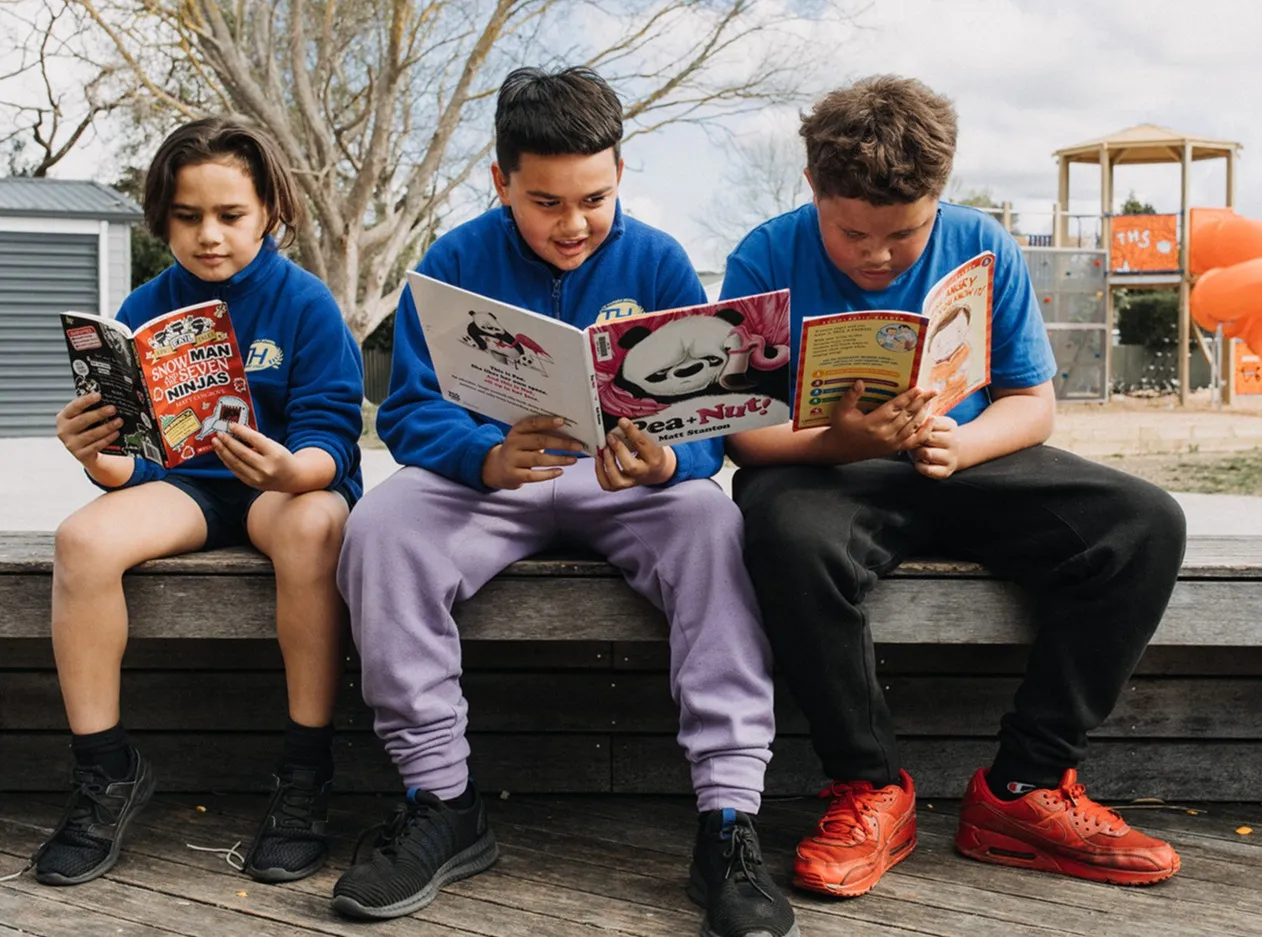
In 2025, Specialist Resource Teachers showed the impact of their learning and practice on the education sector.
Specialist Resource Teachers completing a year-long practicum
Spotlight on impact of one piece of individual/systems work
Assessment and external validation of Moderate - Very High impact
Spotlight on Impact
Specialist Resource Teachers work at the individual, group and systems level, collaborating with ākonga, whānau, kaiako and other professionals to make a positive impact. Practicum supports them to focus deeply on three complex pieces of work co-designed to bring about meaningful positive impacts for ākonga and their learning environments.
As part of their Practicum, Specialist Resource Teachers measure their impact at several points during the year. The data below illustrate, for ONE piece of work, who they worked alongside and the difference they were able to make. The data illustrate the reach and impact of their work across Aotearoa New Zealand.
"I can now have evidence-based conversations, and I can refer people to evidence and share the knowledge. I work with many very busy teachers so being able to share and discuss with them is useful. I am also more confident in my interprofessional practice."
Anonymous (Complex Needs, Year 1)
Impact in Community-based Practice
In 2025, Specialist Resource Teachers also showed the impact of their learning and practice in their local communities.
Spotlights on Impact
The cards below illustrate how Specialist Resource Teachers responded to the real-world challenges they learnt about in their research, creating measurable impacts in their communities.
Hover over each card to view an image of each Specialist Research Teacher's research.
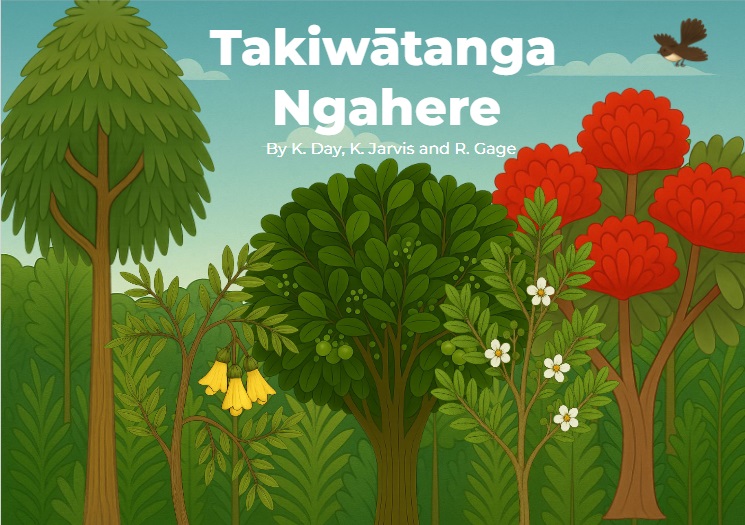
Kirstie, Rebekah & Kelly learned that some neurodiverse ākonga were struggling to develop a sense of belonging at school. To address this challenge, they developed a picture book, with accompanying lessons and podcasts, that tells a story of belonging through characters representing Aotearoa New Zealand's birds and native trees.
“I love it. The resource shows strong consideration for the inclusion of neurodiverse students. The lessons are thoughtfully planned and clearly structured.” (Teacher)
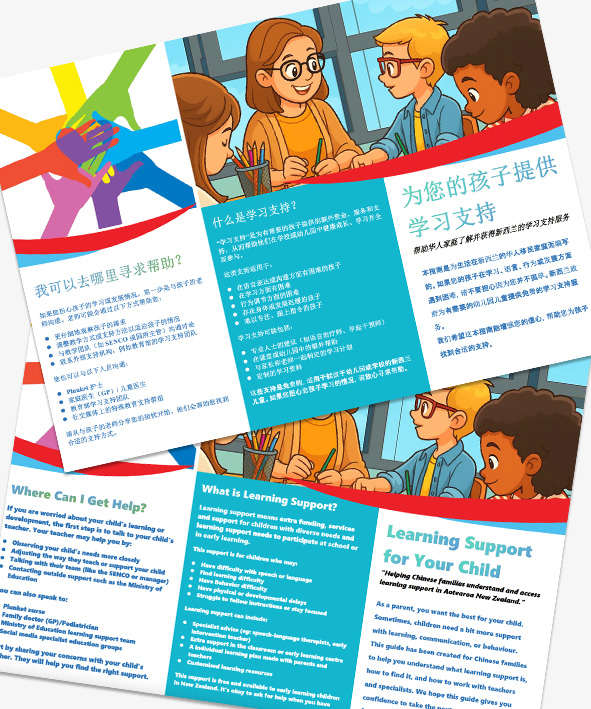
Zujun discovered that many Chinese families who have recently arrived in Aotearoa New Zealand have difficulty understanding and accessing learning support due to language barriers. In response to this issue, he developed a bilingual English-Chinese brochure on learning support in Aotearoa.
“This brochure might look simple, but it’s built directly from the voices and needs of my region. It’s a practical and culturally safe resource for Chinese whānau. Moreover, it also reflects the regional story that aims to break down barriers, building relationships, and making sure every family can access the support their child deserves.” (Zujun)
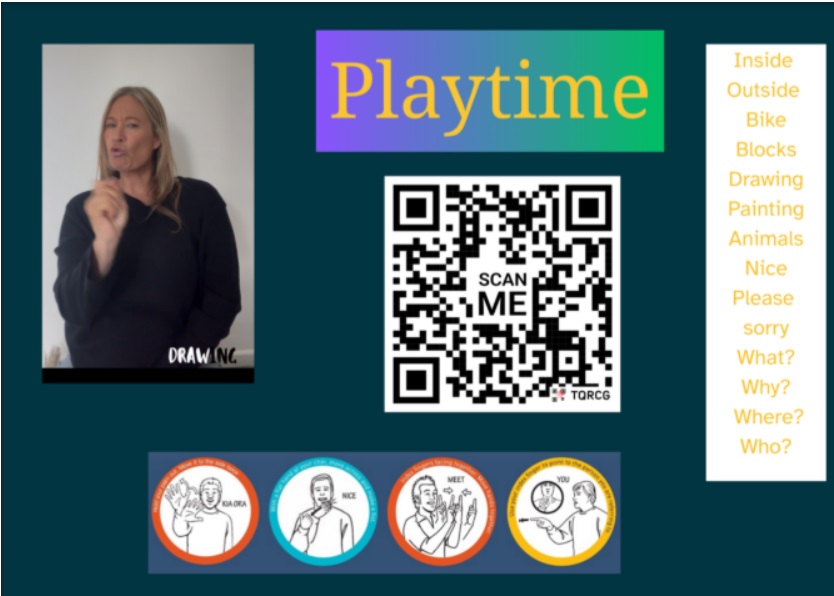
Terri learned that ECE teachers were struggling to support DHH ākonga in their centres. To help them, she developed a series of short instructional videos for teachers.
“I have noticed the staff at his daycare are using more and more sign language, and he is coming home and using it here too, reducing his frustration. He even signs at extended family functions so Nannies, Uncles and cousins are jumping on board as well.” (Parent)
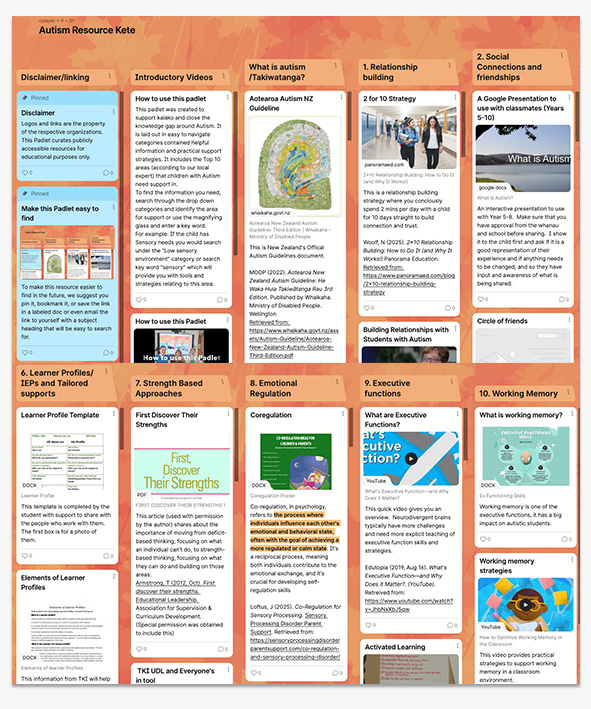
In response to learning about effective Learning Support for Autistic ākonga in their community, Carolyn, Vicky, and Gail developed a Padlet with evidence-based resources designed to support teacher understanding of Autistic ākonga.
In recognition of the resource's significant value, the RTLB cluster has taken over hosting the Padlet to ensure sustainability and ongoing access. (Cluster Manager)
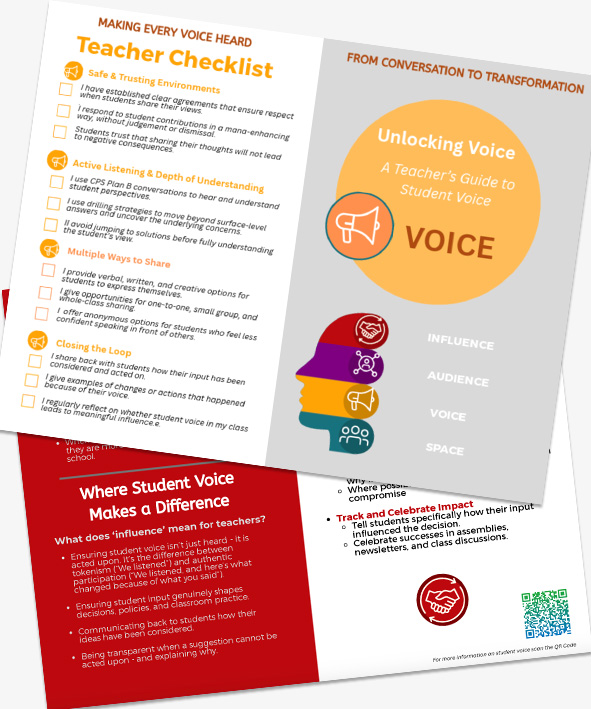
Jo learned that the collection of student voices is often tokenistic and inconsistent. To address this challenge, Jo developed brochures based on Lundy’s (2007) model of child participation to help teachers learn how they can collect and act on student feedback in meaningful ways.
“The resources you have created will support teachers to support their students by connecting with them and genuinely listening to what they have to say.” (Cluster manager)
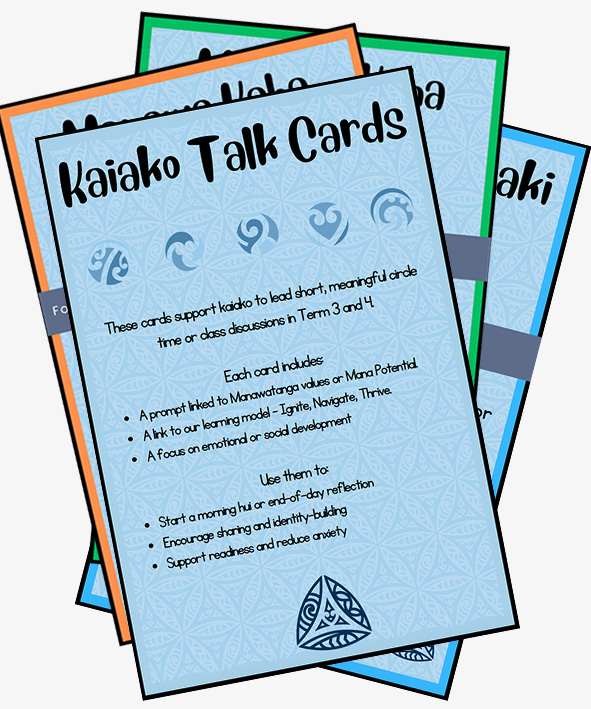
Ruth's research revealed that transitioning from primary to intermediate can be a difficult experience for children and their parents.
To support children and families experiencing this challenge, she developed “Talk Cards”, which can be used at home and school. They encourage discussion on a range of topics designed to support the transition process.
“Our daughter sometimes keeps her big feelings or worries inside, and the Talk Cards were a great, relaxed way to bring up the topic of intermediate (which she doesn’t want to talk about). The conversation starter questions were a really good way to open discussions.” (Parent)
"The programme has had a far-reaching impact, particularly in shaping my confidence and clarity in my role and finding my voice professionally—whether in team hui, collaborative planning, or contributing to wider discussions. I’ve become more confident in sharing my views, knowing they are grounded in frameworks like He Pikorua and Te Tūāpapa. It’s made a difference for others, as I’ve been able to share tools, insights, and strategies that have supported colleagues and whānau. The ripple effect of this growth has strengthened relationships and created more collaborative, purposeful spaces for change."
Sophia Toetu (Learning & Behaviour, Year 2)